Cross-Border Tours / Laos Tours
What to Expect on the Mekong Slow Boat
Oct
What to Expect on the Mekong Slow Boat: A Complete Travel Guide
Traveling along the Mekong River by slow boat is one of the most memorable ways to explore northern Laos. Surrounded by green mountains, peaceful riverside villages, and beautiful natural landscapes, this journey offers a unique opportunity to experience the slower pace of life along the Mekong.
For travelers heading from Chiang Mai or Chiang Rai to Luang Prabang, the slow boat is more than just transportation. It is an opportunity to enjoy the scenery, discover local river life, and experience one of Southeast Asia’s most popular travel routes.
If you’re planning your first Mekong slow boat journey, here’s everything you need to know before boarding.
1. What Is the Mekong Slow Boat?
The Mekong slow boat is a traditional wooden passenger boat that travels along the Mekong River between Huay Xai and Luang Prabang, Laos.
Unlike speedboats or other forms of transportation, slow boats travel at a relaxed pace, allowing passengers to enjoy the natural surroundings throughout the journey.
The traditional public slow boat journey takes two days, with an overnight stop in Pakbeng, a small riverside town located between Huay Xai and Luang Prabang.
Journey Overview
- Starting Point: Huay Xai, Laos
- Destination: Luang Prabang, Laos
- Duration: 2 days, with 1 overnight stay
- Overnight Stop: Pakbeng
- Transportation: Traditional wooden slow boat
- Travel Experience: Scenic river journey through northern Laos
The route is particularly popular among travelers arriving from northern Thailand through the Chiang Khong – Huay Xai border.
2. What Is the Slow Boat Like?
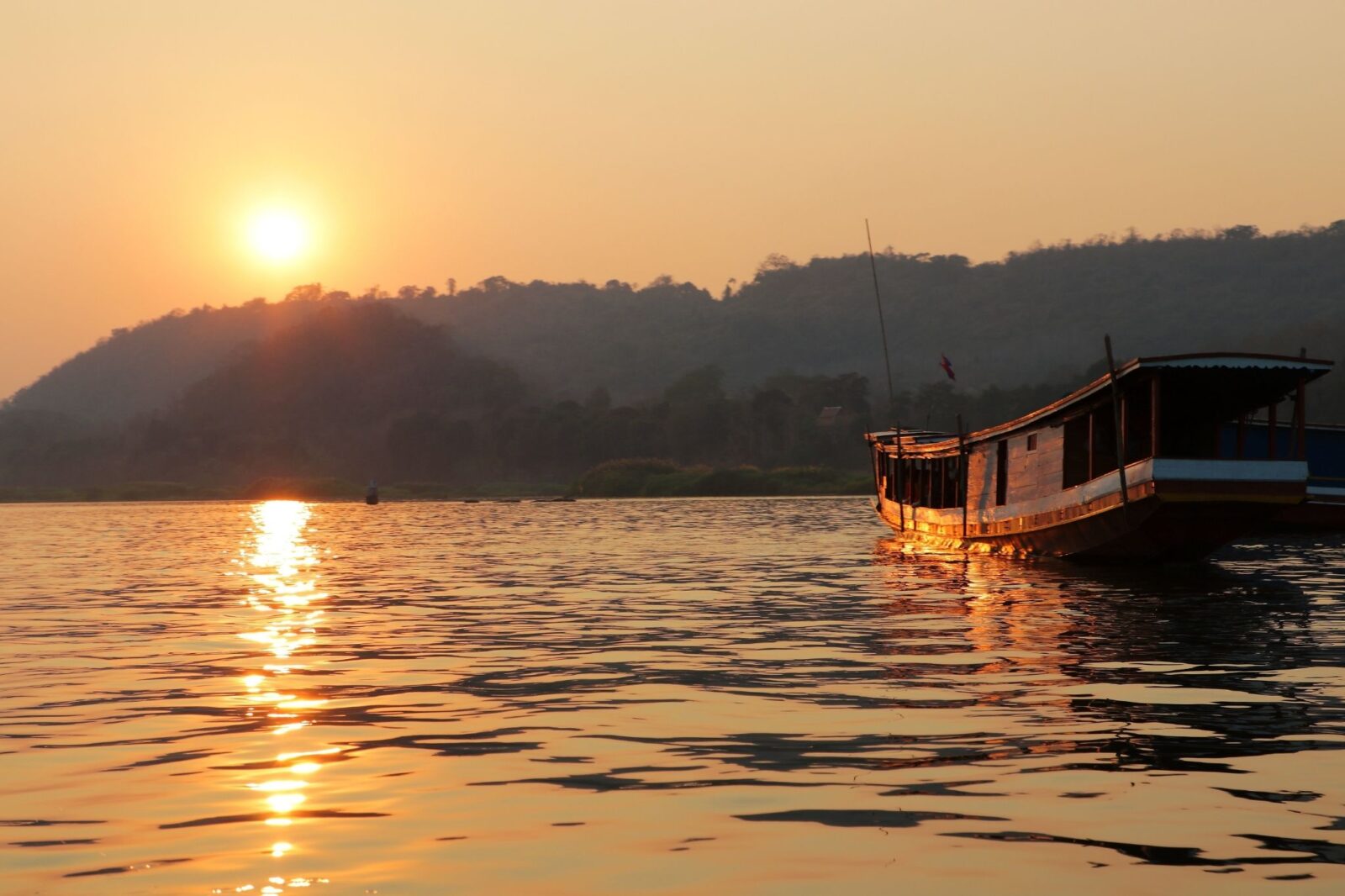
Traditional Mekong slow boats are long wooden vessels designed to carry passengers along the river.
Most public slow boats have a covered roof and open sides, allowing passengers to enjoy the surrounding scenery while remaining sheltered from direct sunlight.
Seating and Comfort
Seating arrangements vary between boats. Many public slow boats provide cushioned seats, while others may have simpler seating.
Passengers should expect:
- Basic but generally practical seating.
- Open-air ventilation rather than air conditioning.
- Engine noise, particularly toward the back of the boat.
- Limited space for moving around when the boat is full.
- Several hours of sitting during each day’s journey.
For a more comfortable experience, consider bringing a small travel pillow and choosing a seat away from the engine when possible.
Travel Tip: Arrive at the departure pier early to allow enough time for check-in, luggage handling, and boarding.
3. What Facilities Are Available on Board?
Facilities depend on the boat operator and the type of ticket or cruise selected.
Toilets
Most public slow boats have a basic toilet on board. Facilities may be limited, so carrying tissues, toilet paper, and hand sanitizer is recommended.
Food and Drinks
Some public boats sell simple snacks, bottled water, soft drinks, or instant noodles. However, availability is not guaranteed.
We recommend bringing enough drinking water, snacks, and a packed lunch for the journey.
Meals may be included on certain organized cruises or tour packages, so always check your booking details.
Electricity and Internet
Charging facilities and Wi-Fi are not guaranteed on traditional public slow boats.
Mobile signals may also be weak or unavailable along remote sections of the Mekong River.
Charge your devices before departure and bring a power bank if needed.
4. The Two-Day Mekong Slow Boat Journey
The traditional slow boat route is divided into two days, allowing travelers to enjoy the Mekong River without traveling overnight.
Day 1: Huay Xai to Pakbeng
Your journey begins at the slow boat pier in Huay Xai, a small border town opposite Chiang Khong, Thailand.
After boarding, the boat travels downstream along the Mekong River toward Pakbeng.
During the journey, you’ll pass beautiful mountain landscapes, small riverside communities, fishing boats, and traditional houses along the riverbanks.
The first day’s journey generally takes approximately 6–8 hours, depending on river conditions and boat operations.
In the afternoon or early evening, the boat arrives in Pakbeng.
Overnight in Pakbeng
Pakbeng is a small riverside town where slow boat passengers spend the night before continuing to Luang Prabang.
The town offers guesthouses, hotels, local restaurants, and small shops.
Travelers can enjoy dinner, relax after their first day on the river, and prepare for the next morning’s departure.
Important: Accommodation and meals in Pakbeng are not included with standard public slow boat tickets and should be arranged separately unless your package states otherwise.
Day 2: Pakbeng to Luang Prabang
The following morning, passengers return to the pier and continue their journey downstream toward Luang Prabang.
The second day offers more spectacular river scenery, including forested mountains, rocky riverbanks, and traditional Lao villages.
Travel time is typically around 6–9 hours, depending on water levels and boat operations.
Upon arrival at the Luang Prabang slow boat pier, travelers continue independently to their accommodation unless onward transportation is included in their booking.
Please Note: Departure and arrival times are approximate and may change due to weather, water levels, and operational conditions.
5. What Will You See Along the Mekong River?
One of the highlights of the journey is the opportunity to discover the natural beauty and everyday life of northern Laos.
Beautiful Mountain Scenery
The Mekong River winds through mountains, green forests, and peaceful valleys. The landscape changes throughout the journey, offering excellent opportunities for photography.
Traditional Riverside Villages
Along the riverbanks, you may see small villages, wooden houses, local fishing boats, and residents going about their daily routines.
These communities offer a glimpse into life along one of Southeast Asia’s most important rivers.
Peaceful River Atmosphere
The slow boat provides a welcome break from busy roads and crowded tourist attractions.
Whether you enjoy reading, photography, or simply relaxing, the journey is an opportunity to appreciate the scenery at an unhurried pace.
6. What Should You Bring on the Slow Boat?
Packing a few essential items can make your journey more comfortable.
Recommended Packing List:
- Passport and travel documents: Keep important documents secure and accessible.
- Drinking water and snacks: Bring enough refreshments for the journey.
- Comfortable clothing: Choose lightweight clothes suitable for long periods of sitting.
- Light jacket: River breezes can feel cool, especially during the cooler months.
- Sun protection: Bring sunglasses, sunscreen, and a hat.
- Power bank: Charging facilities may not be available.
- Tissues and hand sanitizer: Useful for basic onboard facilities.
- Cash in Lao kip: Helpful for food, accommodation, and local transportation.
- Motion sickness medication: Consider bringing it if you are prone to motion sickness.
- Entertainment: Download books, music, or podcasts before departure.
Travel Tip: Keep your valuables, passport, medication, and other essentials in a small day bag. Larger luggage may be stored separately during the boat journey.
7. Is the Mekong Slow Boat Comfortable and Safe?
The Mekong slow boat is a popular form of river transportation used by both local residents and international travelers.
However, the traditional public slow boat is a basic passenger service rather than a luxury cruise.
Comfort levels vary depending on the boat, seating arrangements, and number of passengers.
For your safety:
- Follow the boat crew’s instructions.
- Use an available life jacket as directed.
- Remain seated when the boat is moving through rough sections.
- Take extra care when boarding or leaving the boat.
- Keep personal belongings secure.
- Avoid leaning too far over the side of the boat.
Weather, river currents, and seasonal water levels can affect boat operations.
Travelers seeking additional comfort may prefer an organized cruise with enhanced seating and onboard services.
8. What Is the Best Time to Take the Mekong Slow Boat?
The Mekong slow boat operates across different seasons, and each offers a slightly different travel experience.
Dry Season: November to April
This is a popular period for traveling in northern Laos.
The weather is generally cooler and drier, making it pleasant for sightseeing and outdoor activities.
However, lower water levels can sometimes affect navigation and travel times.
Rainy Season: May to October
During the rainy season, the mountains and forests become greener, creating beautiful scenery along the river.
Rainfall, stronger currents, and changing river conditions may affect boat schedules.
Travel Tip: Check departure availability and weather conditions before booking, regardless of the season.
9. Is the Mekong Slow Boat Worth It?
For travelers who enjoy nature, scenic journeys, and cultural experiences, the Mekong slow boat can be one of the highlights of visiting Laos.
It is particularly suitable for:
- Travelers who enjoy slow and scenic travel.
- Backpackers exploring Thailand and Laos.
- Couples looking for a memorable river experience.
- Solo travelers who enjoy meeting other travelers.
- Nature lovers and photography enthusiasts.
However, travelers with limited time or those who prefer faster, more comfortable transportation may wish to consider alternative travel options.
The journey is best enjoyed when you have enough time to appreciate the experience rather than focusing only on reaching your destination.
10. Frequently Asked Questions
How long does the Mekong slow boat take?
The traditional public slow boat journey from Huay Xai to Luang Prabang takes two days, with an overnight stay in Pakbeng.
Is accommodation in Pakbeng included?
Accommodation is generally not included with standard public slow boat tickets. Travelers should arrange their overnight stay separately unless their tour package includes it.
Are meals provided on the slow boat?
Meals are not normally included on public slow boats. Some organized cruises provide meals or refreshments depending on the package.
Can I bring luggage on the boat?
Yes. Most slow boats accommodate backpacks and suitcases, although luggage space may be limited. Check with your operator about size restrictions and additional luggage fees.
Are there toilets on the slow boat?
Most public slow boats have basic onboard toilets. Facilities and cleanliness may vary.
Can I take the slow boat from Chiang Mai?
The boat itself departs from Huay Xai in Laos. Travelers starting from Chiang Mai or Chiang Rai must first travel to the Chiang Khong border, complete immigration procedures, and continue to the departure pier in Huay Xai.
Do I need to book in advance?
Advance booking is recommended, especially during the busy travel season. For organized tours or special cruise services, reservations may be required several days before departure.
11. Plan Your Mekong Slow Boat Journey with Us
The Mekong slow boat is more than a journey between two destinations. It is a chance to experience the natural beauty, culture, and peaceful atmosphere of northern Laos.
Whether you’re traveling from Chiang Mai, Chiang Rai, or Huay Xai, planning your transportation and boat journey in advance can make your trip easier and more enjoyable.
At Mekong Slow Boat, we assist travelers with transportation arrangements, border transfers, and slow boat journeys to Luang Prabang.
Our team can help you explore available travel options and prepare for your journey along the Mekong River.
Ready to experience the Mekong Slow Boat?
Visit www.mekongslowboat.com or contact our team for schedules, availability, and booking information.
Please confirm availability before booking. Boat schedules, travel times, facilities, and included services may vary depending on the operator, season, and selected package.